What is Bhakti?
As understood from Pujya Gurudevshri, Rakesh ji, Srimad Rajchandra Mission Dharampur (SRMD)
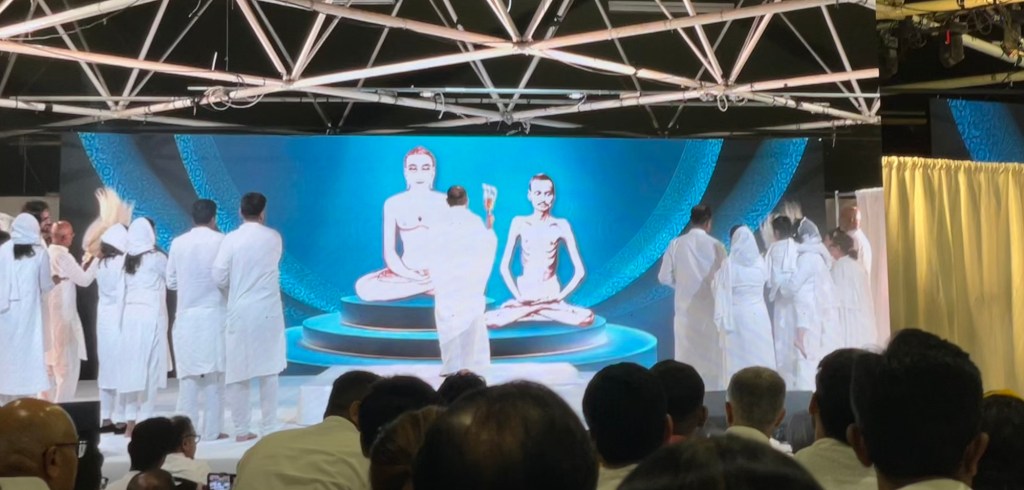
I wrote this poem after listening to Gurudevshri Rakesh ji in London during his Dharmrath yatra in the UK in 2025. He simplified the concept of bhakti (devotion) and explained that bhakti is akin to the casual conversations we have with our friends, which is referred to as “ગપ્પાં” in Gujarati. Bhakti is about having “ગપ્પાં” with the Supreme.
ગપ્પાં
મળી ગયું મને, આજ જાણે સર્વત્ર,
ગુંગણામણ થી છૂટી ગયો, બન્યો તું જ્યારે મિત્ર….(૧)
ખળભળાવી નાખે તું, આખુંય દુનિયાવી તંત્ર,
જો ક્યારે ફરી જાય, મારી કુંડળી ના નક્ષત્ર…(૨)
માતા મીરા ને તુલસીદાસ, એ આપ્યો છે જે મંત્ર,
જે નામ લાગે પ્યારું, બનાવી લો એને છત્ર…(૩)
હું રહ્યો બુદ્ધિજીવી, ને બનવું હતું સ્વતંત્ર,
મોડું જણાયું મને , તારા વિના, નથી હું લેશમાત્ર…(૪)
લડ્યો જગ થી લક્ષ માટે, જાણે ઉઠાવી શસ્ત્ર,
હવે પ્લીઝ આપી દે, ભોગ થી છૂટવાનું યંત્ર…(૫)
સંસ્કાર, પ્રતિષ્ઠા, મોભો, પૈસો, આ છે સૌ ષડ્યંત્ર,
ચાલ સાથે માર્યે ગપ્પાં, હર હમેશ, અત્ર, તત્ર, સર્વત્ર…(૬)
Transliteration:
Maḷī gayu mane, āj jāṇe sarvatra,
Guṅgaṇāmaṇa thī chhūṭī gayo, banīo tu jyāre mitra….(1)
KhaLabhāLāvī nākhe tu, ākhuya duniyāvī tantra,
jo kyāre farī jāye, mārī kuṇḍaḷī nā nakṣatra…(2)
Mātā mīrā ne tulasīdāsa, e āpyo chhē je mantra,
Je nām lāge pyāru, banāvī lo ēne chhatra…(3)
Hu rahyo buddhi-jīvī, ne banvū hatu svatantra,
Moḍu janāyu mane, tāra vinā, nathī hu leshamātra…(4)
Laḍyo jag thī laksha māṭe, jāṇe uṭhāvī shastra,
Havē please āpī dē, bhoga thī chūTvānu yantra…(5)
Sanskār, pratishThā, mōbho, paiso, ā chē sau ṣhaḍyantra,
Chāla sāthē māryē gappā, har hameśh, atra, tatra, sarvatra…(6)
Meaning:
The verses express a deep connection with friendship, existential reflections, and the complexities of life. The only answer to the miseries is by having a true friendship with the Eternal.
- The poet feels a profound sense of companionship that has liberated him from the claustrophobia and constraints imposed by the societal challenges.
- There is a reference to the unpredictability of life, suggesting that if the situation ever changes and makes poet’s life uncertain the Friend will change the world for the benefit of the poet.
- Mira bai and Tulsidas ji has explained the importance of Naam Japa i.e. chanting lord’s name, and the spiritual power within names. The poet remembers the revered saints and shows willingness to surrender under His holy name.
- The poet conveys that the intelligence and ego took the prime seat within him creating a desire for independence, but now he understands and realises that he is nothing without his Friend.
- Like everyone else, poet has always prioritised his successes at the forefront, as if it was a war between his ambititions and the rest of the world. He pleads for relief from his Friend to show him methods/devices to help him make free from the material attachments.
- Ultimately, the poem explores societal values such as culture (conditioning), reputation, fame, and wealth, which poet believes are the chief conspirators in his life. Consequently, he highlights the significance of establishing a strong connection with the Supreme and developing a relationship with Him that is both profound and subtle, akin to the bond we share with our closest friends. In friendships, we experience trust, and if we can surrender ourselves to a friend like Him, it will aid in liberating us from worldly pleasures. Recognising Him as a friend is the simplest and most effective way to reach Him, which is the ultimate goal of bhakti (devotion).
Overall, the poem encapsulates themes of friendship, personal growth, spiritual awareness, and explains the what(s), why(s) and how(s) of bhakti (devotion).
Jai Prabhu.
 Bhavin Shukla
Leave a comment