
The Essence of Param Pujya Yogiji Maharaj’s Life:
Bhagwān Bhaji Levā
Leadership Qualities and Responsibilities
In the Srīmad Bhagavad Gita, Srī Krishna explains how our actions help maintain order in the world. He says:
यद्यदाचरति श्रेष्ठस्तत्तदेवेतरो जनः।
Srīmad Bhagavad Gita, Chapter 3 Verse 21
स यत्प्रमाणं कुरुते लोकस्तदनुवर्तते ।।3.21।।
yadyadācarati śrēṣṭhastattadēvētarō janaḥ.
sa yatpramāṇaṅ kurutē lōkastadanuvartatē ৷৷3.21৷৷
Meaning: Whatever an ideal person does, others follow. Whatever standard they set, the world follows the same.
This highlights the importance of the actions of people who are in influential or leadership positions. Their behaviour is not limited to themselves. Whether good or bad, it spreads through their followers and can become an accepted culture within a sect, community, or group of believers.
Srī Krishna further explains the importance of people in positions of power continuing to perform their duties.
He says that not acting is not an option: “What do I need from the three worlds that I do not already have? Yet, I still perform my actions.” He further explains that if He did not carefully engage in action, people would follow His path in every way, O Arjuna. If He did not perform action, these worlds would perish, and He would become the cause of confusion and destruction among people. [Chapter 3, verses 23 and 24].
यदि ह्यहं न वर्तेयं जातु कर्मण्यतन्द्रितः।
Srīmad Bhagavad Gita, Chapter 3 Verse 23 and 24
मम वर्त्मानुवर्तन्ते मनुष्याः पार्थ सर्वशः ।।3.23।।
उत्सीदेयुरिमे लोका न कुर्यां कर्म चेदहम्।
सङ्करस्य च कर्ता स्यामुपहन्यामिमाः प्रजाः ।।3.24।।
yadi hyahaṅ na vartēyaṅ jātu karmaṇyatandritaḥ.
mama vartmānuvartantē manuṣyāḥ pārtha sarvaśaḥ ৷৷3.23৷৷
utsīdēyurimē lōkā na kuryāṅ karma cēdaham.
saṅkarasya ca kartā syāmupahanyāmimāḥ prajāḥ ৷৷3.24৷৷
This raises an important question about the role of religions and the duty of the leaders of every religion. Should religion and religious leaders advise on what is right or wrong, what is acceptable or unacceptable, what is ethical or unethical, moral or immoral, politically correct or incorrect, and so on?
I believe their main duty is to show an individual, the seeker or believer of that faith, the spiritual path that leads them towards God.
It is important to note that the seeker has not seen God, so they may not have much understanding of God’s form or presence. Nor are they fully aware of the deceptive nature of the world (jagat mithyā) that appears right in front of them.
The duty of “enlightened” religious leaders is to show the seeker two things: how to experience godliness, and how to act once they have experienced God or godliness – that is, how to live after enlightenment.
Param Pujya Yogiji Mahārāj’s Birthday Celebration
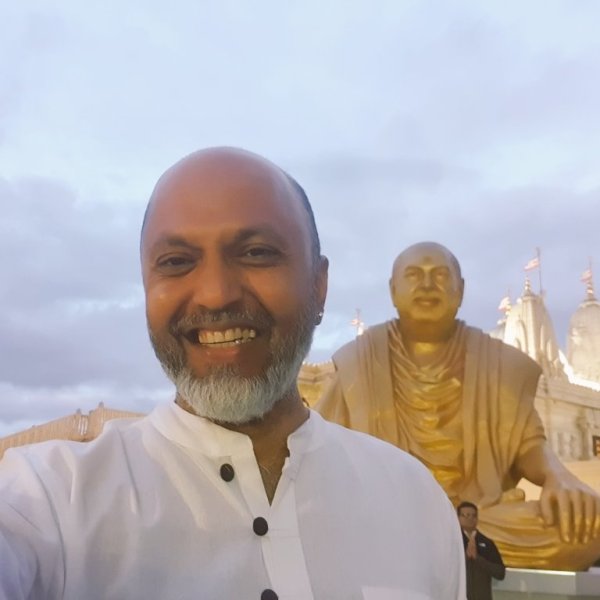
Last week, I attended the celebration of the birth anniversary of one of the BAPS gurus, Param Pujya Yogiji Maharaj, at BAPS Leicester Mandir. Pujya Tyāgratna Swāmi narrated stories about the gurus and gave us a glimpse into the character and personality of Pujya Yogiji Maharaj.
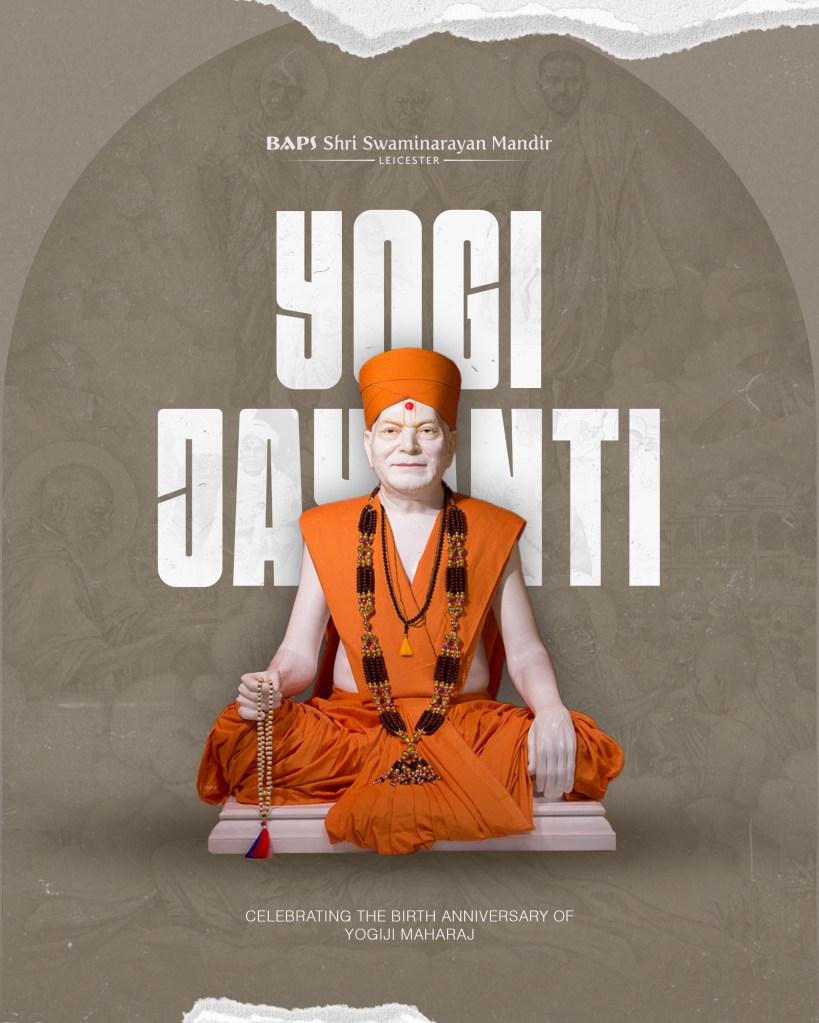
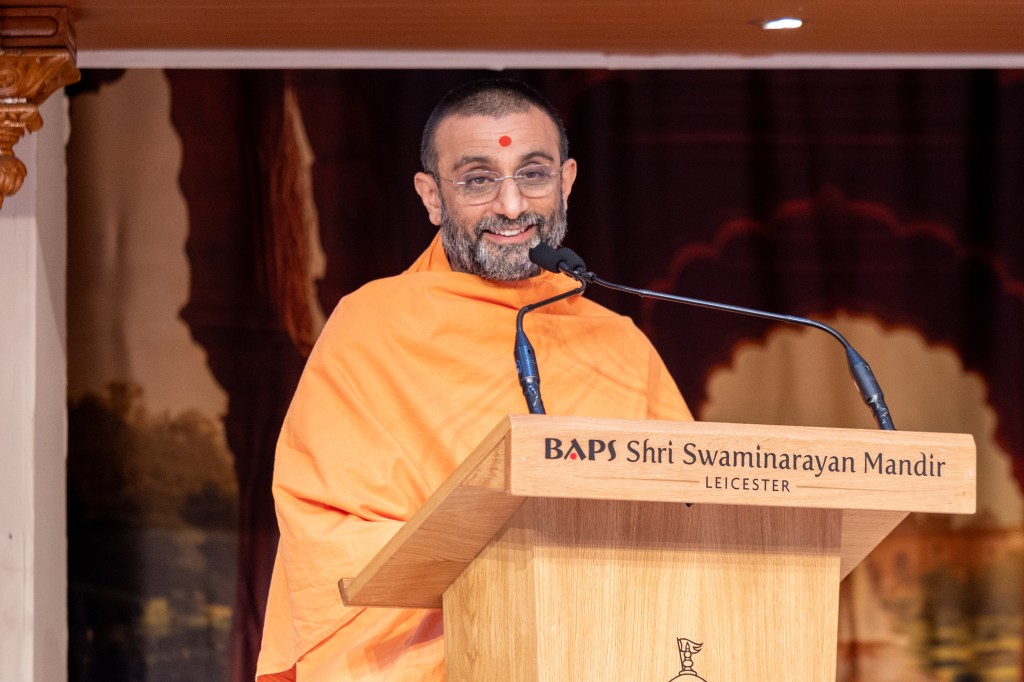
Pujya Tyāgratna Swāmi was on the stage with the Sri Vachanāmrut, the most sacred book of the Swāminārāyan Sampradāy, placed on the table right in front of him. I assumed there would be many references from the Sri Vachanāmrut, linking them to events from Pujya Yogiji Maharaj’s life. However, what unfolded was completely different.
Pujya Yogiji Maharaj was a simple, humble and innocent being. He was loved and known by all, not because of his knowledge (gyaan), but because of his devotion (bhakti) towards God. During the talk, I came to know that his laughter was infectious and contagious, turning difficult conversations into gentle and subtle exchanges (sahaj swabhāv).
A number of examples were quoted. One was about a devotee (hari bhakta) who had offered his services for many years, but whose wishes were not being fulfilled. He became upset and wrote a letter to Pujya Yogiji Maharaj, which Yogiji read aloud in front of all the devotees during a congregation (sabhā). After reading the letter, Yogiji laughed and, with all His innocence, said that He wondered why devotees still came and surrendered here, even when their wishes were not fulfilled.
On another occasion, when He was staying at satsangi’s (devotee) house, the bed was full of bed bugs. When another devotee found out, he was worried about Pujya Yogiji’s wellbeing and inconvenience. Pujya Yogiji laughed and said that the bed bugs had not hurt Him, as they were all of satsangi’s house. He then added that if the devotee apologised any more, He would ask him to fast for a day.
Pujya Yogiji would often tell devotees to fast during normal, gentle one-to-one conversations. Sometimes He used it playfully, and at other times as a form of deterrence. Yet all of this was done with innocence.
His life stories were not about supremacy or magic, but about how He turned the most complex things into something simple and natural (sahaj). For Him, every interaction with people, regardless of their age or status, was always the same.
He would recite a discourse (kathā) to a seven-year-old child as if He were speaking to an audience of hundreds of learned people. Similarly, He would give His signature style dhabbo – a pat on the back – to an army chief, breaking all protocols, because for Him everyone was equal.
Pujya Yogiji Maharaj’s guru, Pujya Shastriji Maharaj, the founder of BAPS, once mentioned that Pujya Yogiji Maharaj was unique, and that there could be no better human being than Him. Pujya Shastriji Maharaj said that Pujya Yogiji had truth in His voice and speech, which would be realised later. In other words, whatever came from Pujya Yogiji Maharaj’s vaani (His words) would become a reality.
During the talk, stories were shared about things Pujya Yogiji Maharaj had mentioned during His discourses. For example, in the early days of BAPS, He said that there would be BAPS temples outside India, and this eventually came true. No one believed it then, but today there are more than 1600 BAPS temples across the world.
Whenever Pujya Yogiji Maharaj faced a complex situation, or was asked to help mediate, He would come out of such tricky situations and avoid becoming entangled in them with one simple phrase: “Bhagwān bhaji levā” – meaning, do not waste this life, pray to God, because not every living being, other than humans, gets this opportunity.
Summarising
Once, while speaking to Pujya Brahmvihari Swāmi, He explained how large projects such as the Abu Dhabi Mandir are executed. He explained that, as per the BAPS tradition (paramparā), there is a four-step process to getting anything done.

The first step is to think or imagine – kalpanā. The next step is to make a decision, it does not matter whether it is something as big as constructing a mandir or something as small as deciding to observe a fast. This is known as sankalp.
The third step is to work hard – kārya or kriyā – and act towards that decision, without worrying about the outcome. It then becomes the Guru’s responsibility to turn that original thought into reality – siddhi. The guru ensures that the outcome is accomplished.
It was Yogiji Maharaj’s guru, Shastriji Maharaj, who had the responsibility of turning Yogiji Maharaj’s words into reality. Similarly, it was Yogiji Maharaj’s responsibility to turn Pramukh Swami Maharaj’s sankalp into siddhi.

Pujya Yogiji Maharaj’s jivan charitra – His life and character – teaches us many things:
- One should live humbly, even after enlightenment.
- One’s life should be focused on one’s own goals and purpose. Pujya Yogiji Maharaj’s purpose was to show the world that devotion to God can lead to enlightenment, and this is what He practised and preached throughout His life.
The verses from the Srīmad Bhagavad Gita quoted earlier, verses 3.21, 3.23 and 3.24, reflect the same message about true leadership. Society looks up to its leaders and acts according to their behaviour.
Param Pujya Yogiji Maharaj is remembered for His humble, subtle and joyful way of life. As the fourth guru in the BAPS Guru Paramparā, He left behind a legacy of followers who now look up to their gurus and strive to become like them – “Aksharrup thai ne rehvu” – to live in the form of Akshar.
Pujya Yogiji Maharaj used to say, “potāno Brahmswarupp paNā no ānand kshaN paN moLo paDwā devo nahi.,” meaning: do not let the innate joy within oneself fade even for a moment.
His words, “Bhagwān bhaji levā,” became the mahāmantra and the essence of all the wisdom He wanted to share after enlightenment. This mahāmantra helps us remain humble in success and gives us strength to face any adverse situation.
Pujya Yogiji Maharaj taught us that devotion and complete surrender are where true happiness is found – Bhagwān bhaji levā.
This is the gist of what all the gurus have been calling out from centuries.
Goswāmi Tulsidāsji, after writing more than 11,000 verses in Rāmcharitamānas, summarises His wisdom in a single verse, highlighting the importance of Nāma Japa – the recitation of Sri Hari’s name.
रामहि सुमिरिअ गाइअ रामहि। संतत सुनिअ राम गुन ग्रामहि।।
rāmahi sumiria gāia rāmahi. saṃtata sunia rāma guna grāmahi..
[Sri Rāmcharitamānas, Chapter 7, doha 130]
Meaning: Sri Tulsidāsji urges the devotees to remember, sing, and listen to the virtues of Lord Shri Rāma.
Wishing you all a very happy Yogiji Maharaj Janmadin Utsav / Yogiji Mahārāj Birth Anniversary celebration.
Jai Swāminārāyan.
Gallery
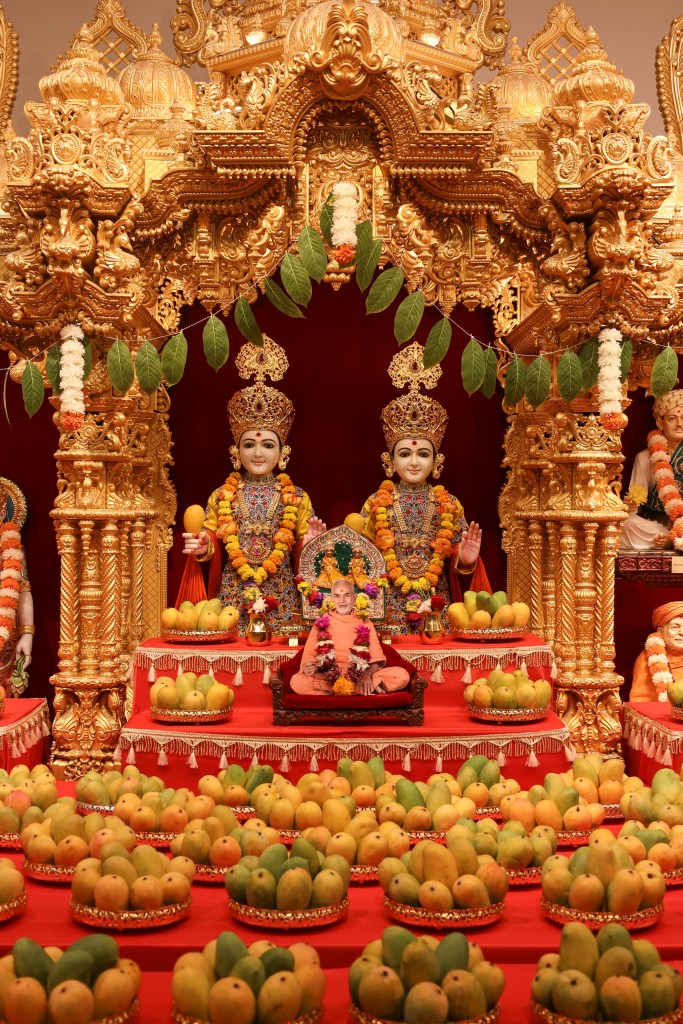
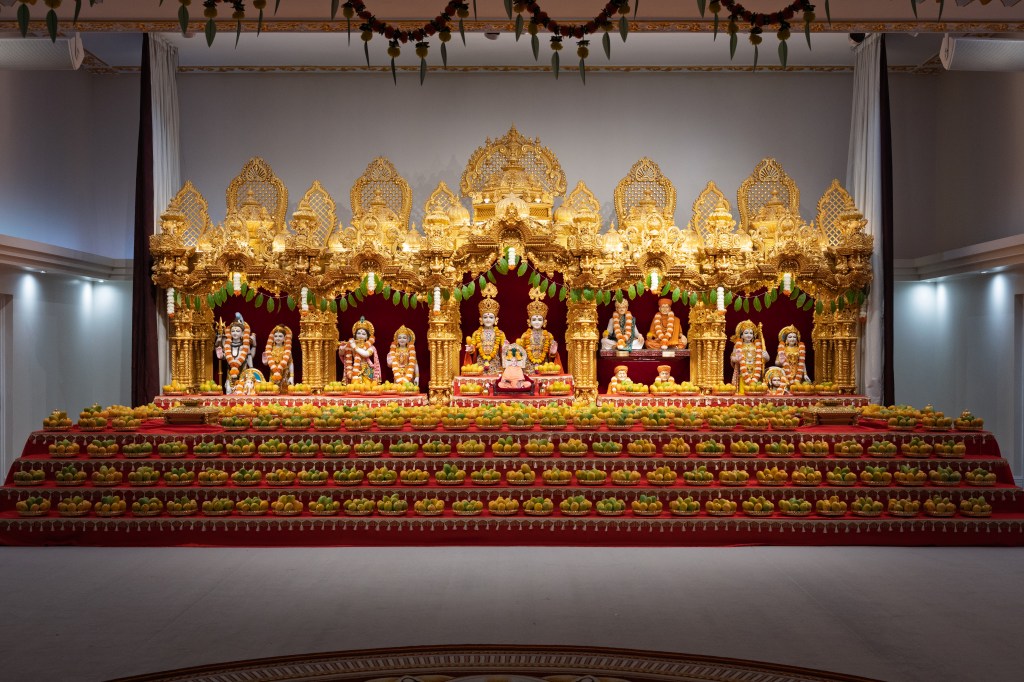

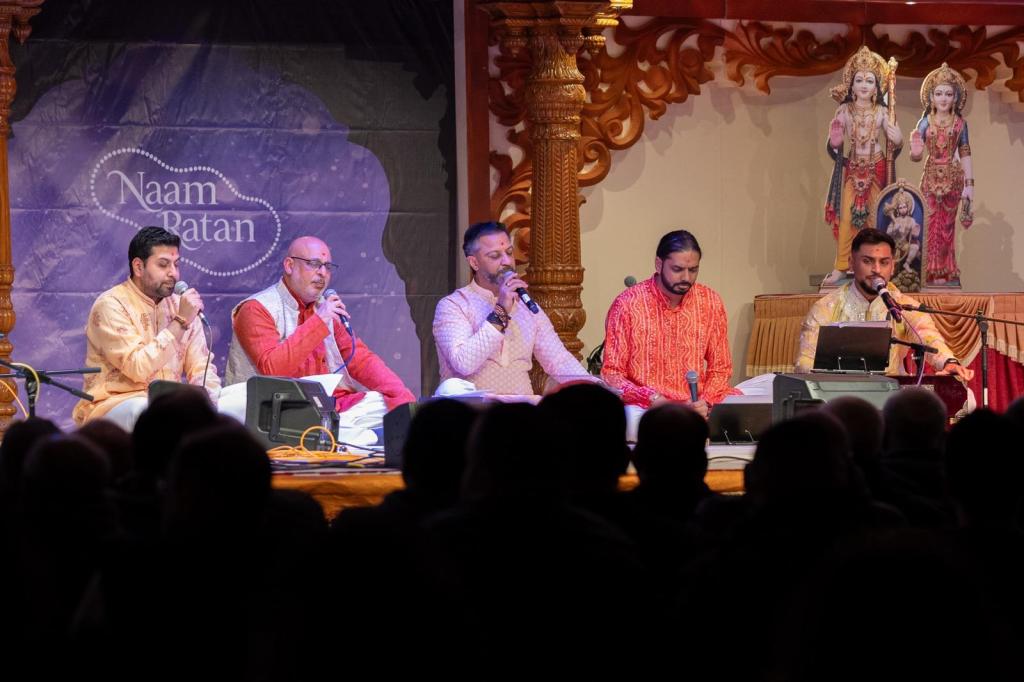
The copyright to photographs is owned by BAPS Shri Swaminarayan Mandir, Leicester.
About the Author:
Bhavin Shukla has been working as an IT Consultant in the data space for more than 25 Years. As a Data and Analytics professional, he has worked extensively for years on complex IT Transformation Programmes within Healthcare, Finance, Insurance and Telco domains.
Bhavin is driven by a sincere desire to embrace a spiritual existence rooted in values, while genuinely striving to enhance societal culture by fostering a supportive community where we stand by each other.
Other BAPS Write-ups:
BAPS Blogs:
Swāminārāyan Darshan By Pujya Yog Vivek Swāmi
Swaminārāyan sampradaya and the Indian Schools of Philosophy.

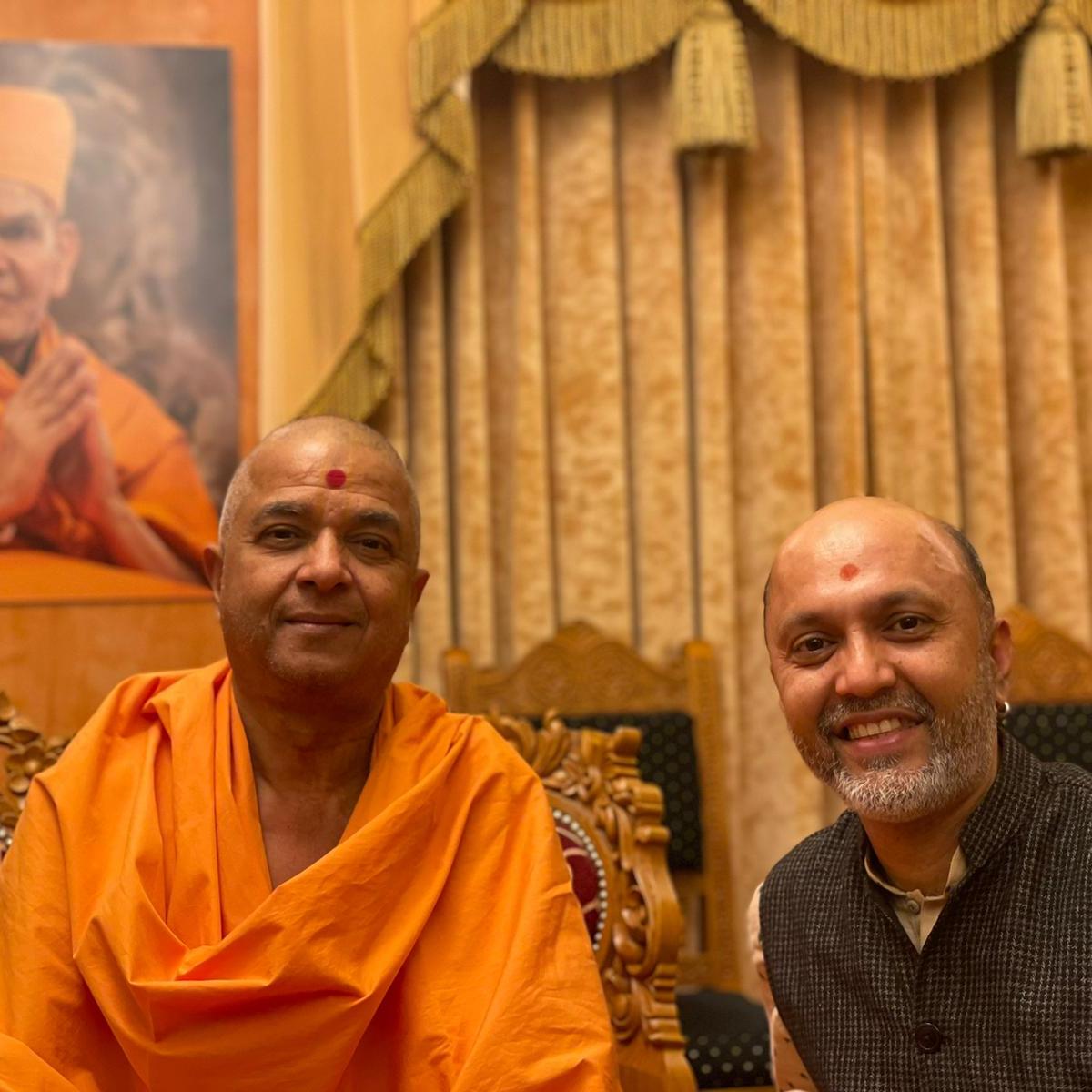
BAPS Ground Zero: Meeting Pujya Brahmvihāri Swāmi at Neasden Temple, London, UK
The content discusses my spiritual encounter with Pujya Brahmvihāri Swāmi and the spiritual insights gained from the conversation. Pujya Swāmi emphasises living selflessly and the significance of life’s defining moments. The exchange is summarised as an embodiment of “Love,” linking to my understanding of love and my sincere request for the sādhu to bless me…
BAPS : A Modern Spiritual Organisation
Bochasanwasi Shri Akshar Purushottam Swaminarayan Sanstha (BAPS Swaminarayan Sanstha) is a spiritual institution that is quickly expanding and gaining popularity among the Indian Hindu community. What does the organisation do differently to reach out to the masses?
Based on my interactions with the BAPS satsangis (devotees), this is an attempt to share my understanding…


Leave a Reply